-
Basic Phones for Kids (2026)
- Why Might Your Child Need a Phone?
- 1. Nokia 105 (2024) – Simple and Reliable
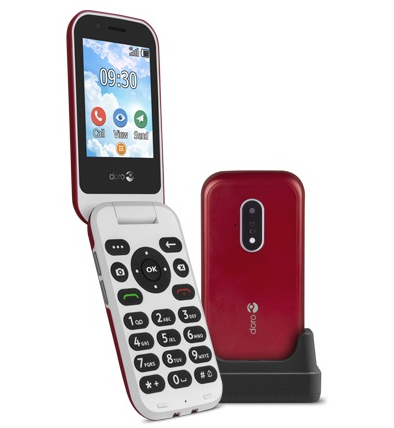
- 2. Doro 7030 – Easy to Use, Plus WhatsApp
- 3. Samsung Galaxy A04s – Basic Smartphone with Big Battery
- 4. iPhone SE (2020) – Compact but Capable
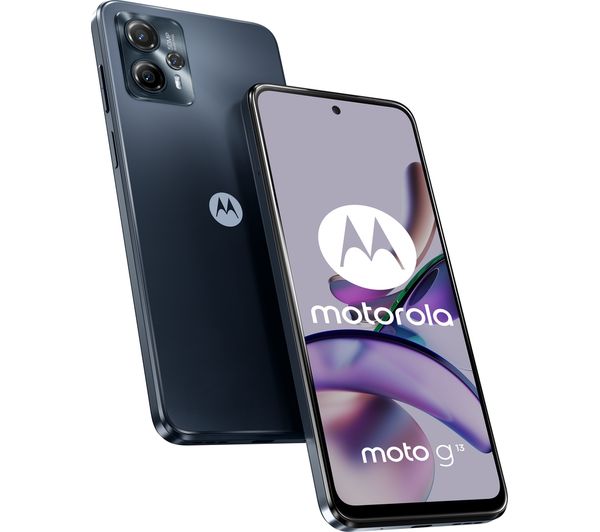
- 5. Motorola Moto G13 – Budget-Friendly and Reliable
- Affordable, Worry-Free Phones from The Big Phone Store
Basic Phones for Kids (2026)
This guide to basic phones for kids covers it all. From phones that just call and text to ones that can handle homework and browsing, here are five top choices that suit different needs and budgets.
Why Might Your Child Need a Phone?
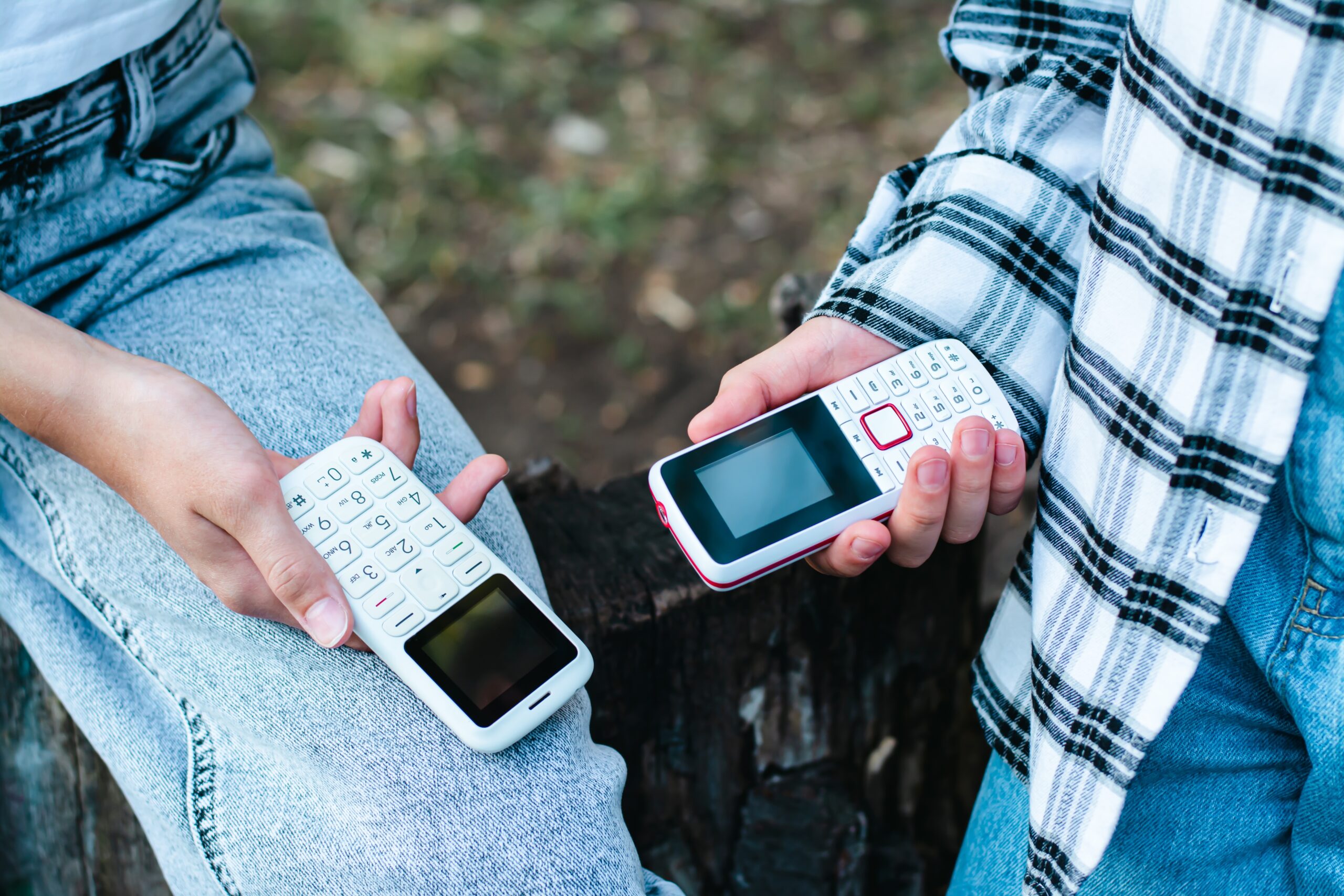
Giving your child their first phone can feel like a big decision. You want something simple, affordable, and safe… but also useful for school, keeping in touch, and maybe even snapping a few photos.
These days, phones aren’t just for calling and texting. Many children use phones for:
- Safety – So they can reach you in an emergency or share their location.
- Schoolwork – Accessing apps, doing research, or using school portals.
- Staying Connected – Chatting with friends, messaging family, and joining study groups.
- Entertainment – Watching videos, listening to music, or playing games in their free time.
Phones can also teach kids responsibility—looking after their device and managing screen time.
At The Big Phone Store, we offer a wide range of affordable refurbished phones that work perfectly for children, with warranties included. If your child drops or breaks it (which happens), you’re covered. You’ll also find great offers on our Back to School and Student Deals pages.
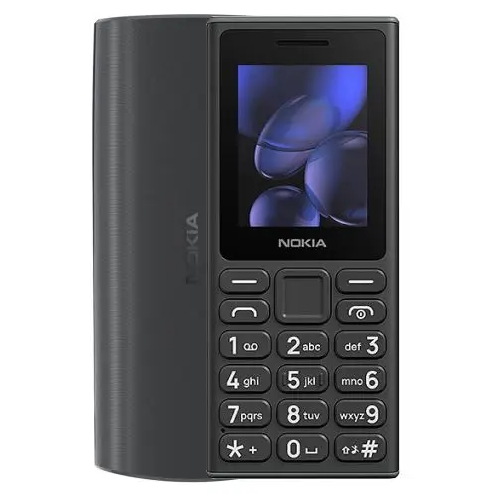
1. Nokia 105 (2024) – Simple and Reliable
- Calls and texts only—no internet or apps.
- Large buttons and easy menu, ideal for younger kids.
- Up to 18 days of battery life on standby.
This is as simple as it gets. Perfect for kids who just need to call home or send a quick text. It’s also great if you want to limit distractions from the internet or social media.
2. Doro 7030 – Easy to Use, Plus WhatsApp
- Simple design with large buttons.
- Supports calls, texts, and WhatsApp for basic internet messaging.
- Built-in camera for simple photos.
The Doro 7030 is aimed at ease of use but allows a little more flexibility. It’s good for kids who need basic messaging apps but don’t need a full smartphone just yet.
3. Samsung Galaxy A04s – Basic Smartphone with Big Battery
- Affordable Android smartphone.
- Large screen, long battery life, and reliable performance.
- Can run study apps, educational tools, and parental controls.
The Galaxy A04s is great for schoolwork and everyday browsing. It’s also perfect for watching videos or using learning apps. Thanks to its robust battery, it’s less likely to run flat during a school day.

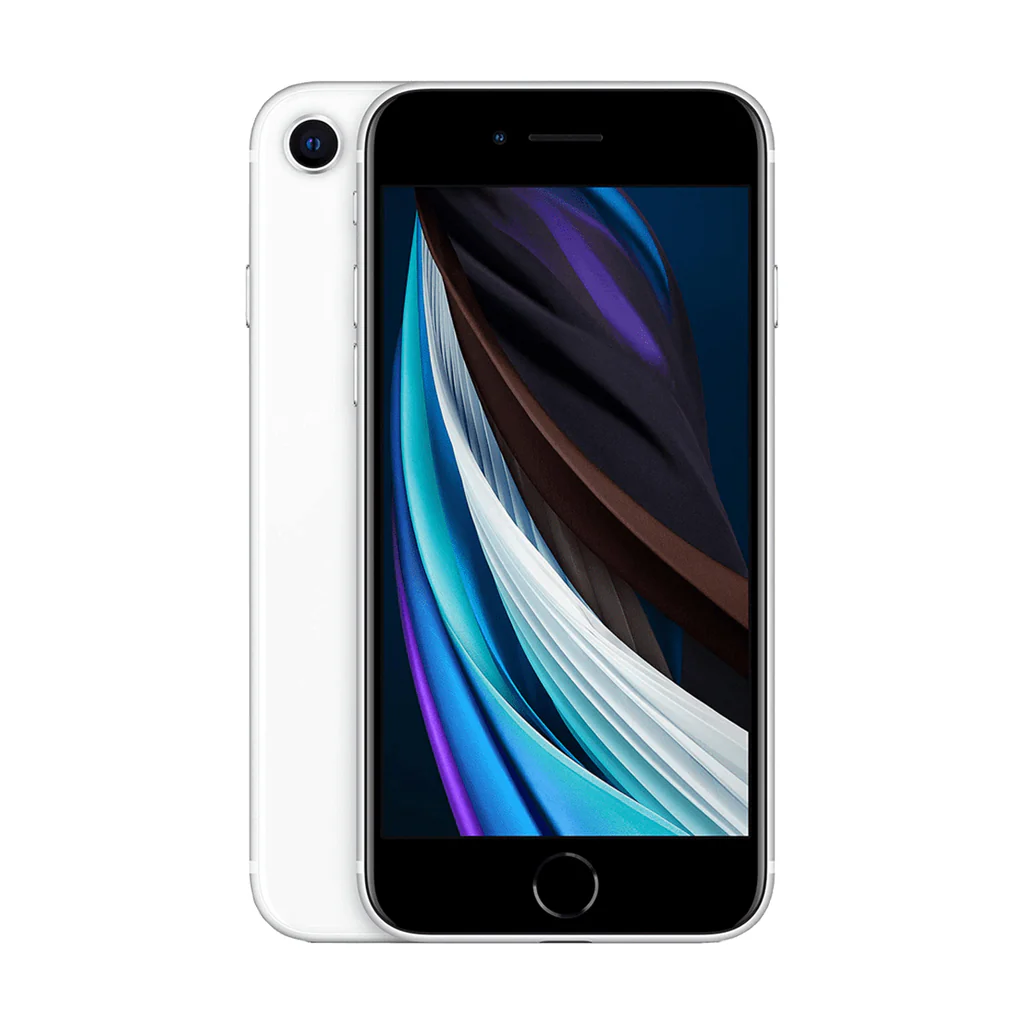
4. iPhone SE (2020) – Compact but Capable
- Access to Apple’s powerful parental controls and “Find My” tracking.
- High-quality camera for photos and video.
- Fast enough for apps, games, and studying.
The iPhone SE is ideal for slightly older kids who want something a bit more advanced. It handles school tasks, keeps up with apps, and offers strong safety features—without the price tag of the latest models.
5. Motorola Moto G13 – Budget-Friendly and Reliable
- Great value for a budget smartphone.
- Decent camera and performance for everyday use.
- Supports Family Link for parental controls.
The Motorola Moto G13 balances affordability with everything your child needs for school, messaging, and light entertainment. It’s an excellent “starter smartphone” for kids who are ready to explore more apps under your supervision.
Best Basic Phones for Kids (2025) – Quick Comparison
| Phone | Best For | Internet | Battery Life | Age Range |
|---|---|---|---|---|
| Nokia 105 (2024) | First phone / emergencies | ❌ No | ⭐⭐⭐⭐⭐ | 6–9 |
| Doro 7030 | Calls + WhatsApp | ⚠️ Limited | ⭐⭐⭐⭐ | 8–11 |
| Samsung Galaxy A04s | School & apps | ✅ Yes | ⭐⭐⭐⭐ | 10–14 |
| iPhone SE (2020) | iOS + parental controls | ✅ Yes | ⭐⭐⭐ | 11–16 |
| Motorola Moto G13 | Budget smartphone | ✅ Yes | ⭐⭐⭐⭐ | 10–15 |
📌 Tip: This comparison dramatically improves usability and scannability. Choose based on your child’s age and whether they need internet access for school.
How to Choose the Right Phone for Your Child
Before buying, consider:
- Age & maturity – younger kids benefit from call/text-only phones
- Internet access – decide if you want full, limited, or no internet
- Battery life – important for school days and emergencies
- Parental controls – iOS Screen Time or Google Family Link
- Budget – refurbished phones keep costs low if accidents happen
This reassures parents they’re making the right decision.
Parental Controls and Safety Features
Most smartphones in this guide support built-in parental controls:
- Apple Screen Time – app limits, content filtering, location tracking
- Google Family Link – screen time controls, app approval, location sharing
For younger children, basic phones like the Nokia 105 avoid internet risks entirely while still keeping them reachable.
Affordable, Worry-Free Phones from The Big Phone Store
You don’t need to spend a fortune to give your child a reliable phone. At The Big Phone Store, we offer cheap phones for kids—many under £100—without cutting corners on safety or quality.
All our refurbished phones:
- Are tested and cleaned before sale.
- Come with a warranty for extra peace of mind.
- Can be paired with insurance for extra protection.
Plus, our Back to School page has fantastic deals for students and parents looking for affordable tech for the new school year.

The right phone for your child depends on their age, needs, and your budget. From basic call-and-text models to smart options for studying and messaging, there’s something here for every family.
Refurbished phones make it easy to get your child connected without breaking the bank—and without worrying about accidental drops or mishaps.
Ready to pick the perfect phone? Explore our full range of basic phones for kids and grab a back-to-school bargain today.
Frequently Asked Questions
Yes. Refurbished phones from trusted retailers are tested, cleaned, and come with warranties – making them a smart, lower-risk choice for children.