Refurbished iPhone Mini vs Standard iPhone: Which Fits Your Needs?
Thinking about iPhone Mini vs Standard iPhone? You’re not alone. Choosing between Apple’s compact Mini and the classic “standard” model can feel tricky—especially when you’re buying refurbished and want maximum value. Good news: we’ll break down the differences in plain English so you can pick with confidence.
iPhone Mini vs Standard iPhone: The Big Picture
Mini = pocket-first. Smaller, lighter, easier to use one-handed.
Standard = balanced all-rounder. Bigger screen, typically better battery life, same flagship power.
Cameras & performance = often similar. In many generations, Mini and Standard share the same chip and core camera setup.
Price = Mini can be great value. Refurbished Minis often cost less than the same-generation Standard.
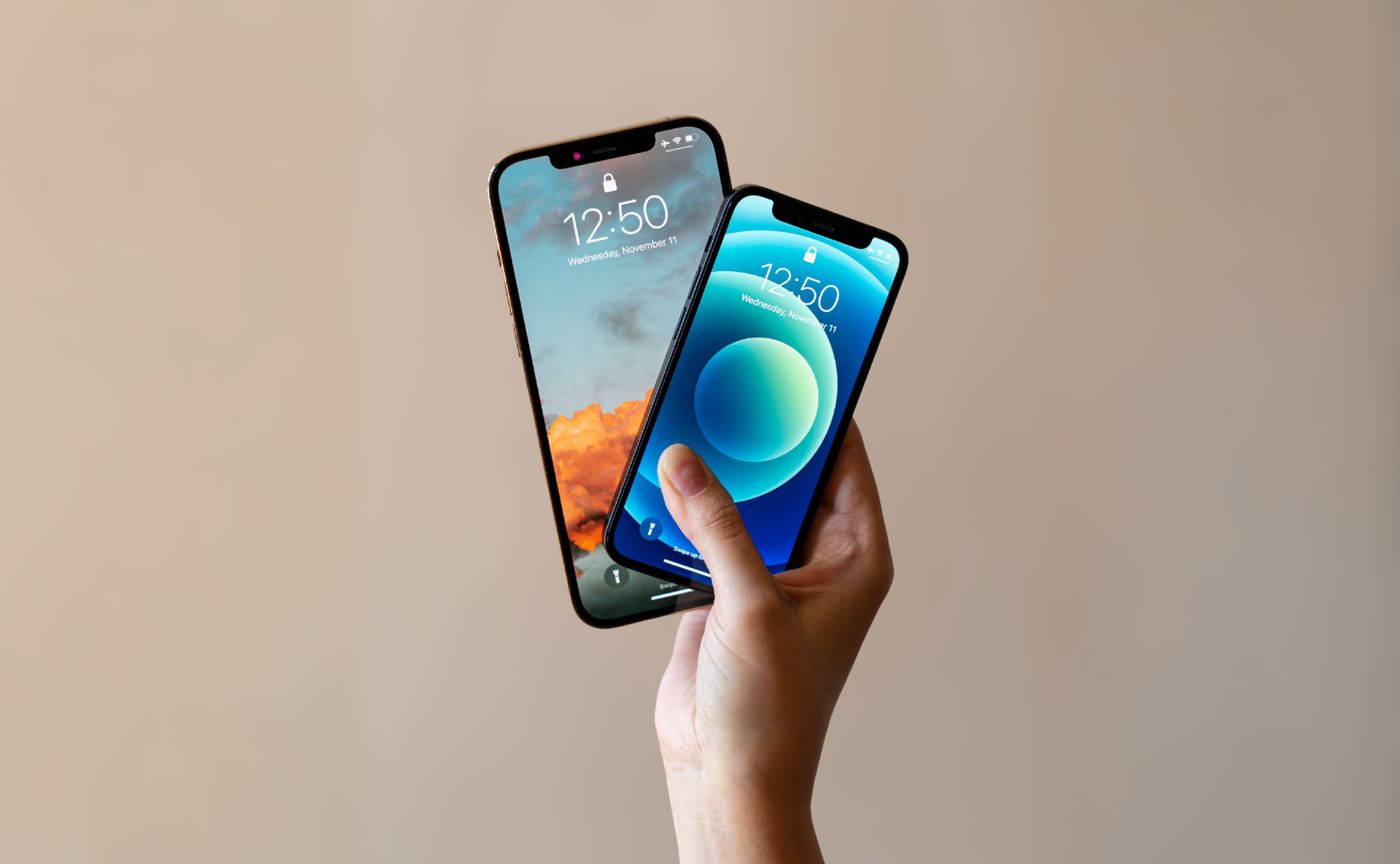
Example: In the iPhone 12/13 families, the Mini uses a 5.4-inch display, while the Standard uses a 6.1-inch display. Performance and cameras are broadly comparable within the same series.
Size & Ergonomics: How It Feels in Hand
Mini strengths
Ultra-compact and featherlight.
Fits small pockets, gym shorts, and tiny bags.
Easy one-handed typing and reaching corners.
Standard strengths
Roomier display for maps, Netflix, spreadsheets, and FaceTime.
On-screen keyboards feel less cramped.
Less eye strain if you read a lot.
Who should pick which?
Mini: commuters, minimalists, smaller hands, anyone who hates bulky phones.
Standard: content lovers, note-takers, people who multitask on the go.
Battery Life: The Practical Gap
Battery is the key trade-off in iPhone Mini vs Standard iPhone. Smaller phones have less physical space for a battery, so the Standard model typically lasts longer between charges. If you spend all day on 5G, hotspotting, or gaming, the Standard is the safer bet. Light-to-moderate users can be perfectly happy with the Mini—especially with a quick top-up midday.
Tip: Pair any refurbished iPhone with a compact USB-C or MagSafe charger in your bag. Problem solved.
Cameras: Same Spirit, Similar Results
Within the same generation, Mini and Standard models commonly share:
The same main rear camera and ultrawide (on dual-camera lines).
The same computational photography (Night mode, Smart HDR, Deep Fusion where supported).
The same video features (e.g., 4K, Dolby Vision on supported series).
In practice, you’ll get near-identical photos and videos between Mini and Standard of the same year—great news if you prefer the Mini’s size but don’t want to sacrifice quality.

Performance & Longevity
Apple typically equips both Mini and Standard with the same A-series chip in a given generation. That means:
Equal speed for apps, games, and multitasking.
Similar iOS update runway, so your refurbished device remains secure and feature-rich for years.
Refurbished buyers win twice here: flagship performance without flagship price.
Display & Media
Mini: 5.4-inch OLED on 12/13 mini—sharp, punchy, and colour-accurate. Perfect for quick browsing and messaging.
Standard: 6.1-inch OLED on many recent lines—more space for streaming, photos, documents, and navigation.
If your phone is also your primary screen, the Standard’s extra real estate pays off daily.
Price & Value in Refurb
Refurbished Minis often come in cheaper than their Standard counterparts from the same year. Combine that with SIM-only savings and you’ve got a very budget-friendly route into recent iPhone features. And remember: every refurbished iPhone from The Big Phone Store is unlocked, so you can choose the best plan for your lifestyle—no long contracts, no network lock-ins.
| Feature | iPhone Mini | Standard iPhone |
|---|---|---|
| Screen size | Smaller (e.g., 5.4") | Larger (e.g., 6.1") |
| One-hand use | Excellent | Good |
| Battery life | Shorter (typically) | Longer (typically) |
| Cameras | Similar within same gen | Similar within same gen |
| Performance | Same chip (same gen) | Same chip (same gen) |
| Weight & pocketability | Best-in-class | Heavier, still manageable |
| Price (refurb) | Often lower | Slightly higher |